Start with teacher behaviour
Sessions showed task-focused visits with limited exploration. Interviews helped explain the problem: teachers could not always tell where resources belonged.

I used teacher research to rethink how thousands of educational resources were organised and accessed in Oxford Premium.
At a glance
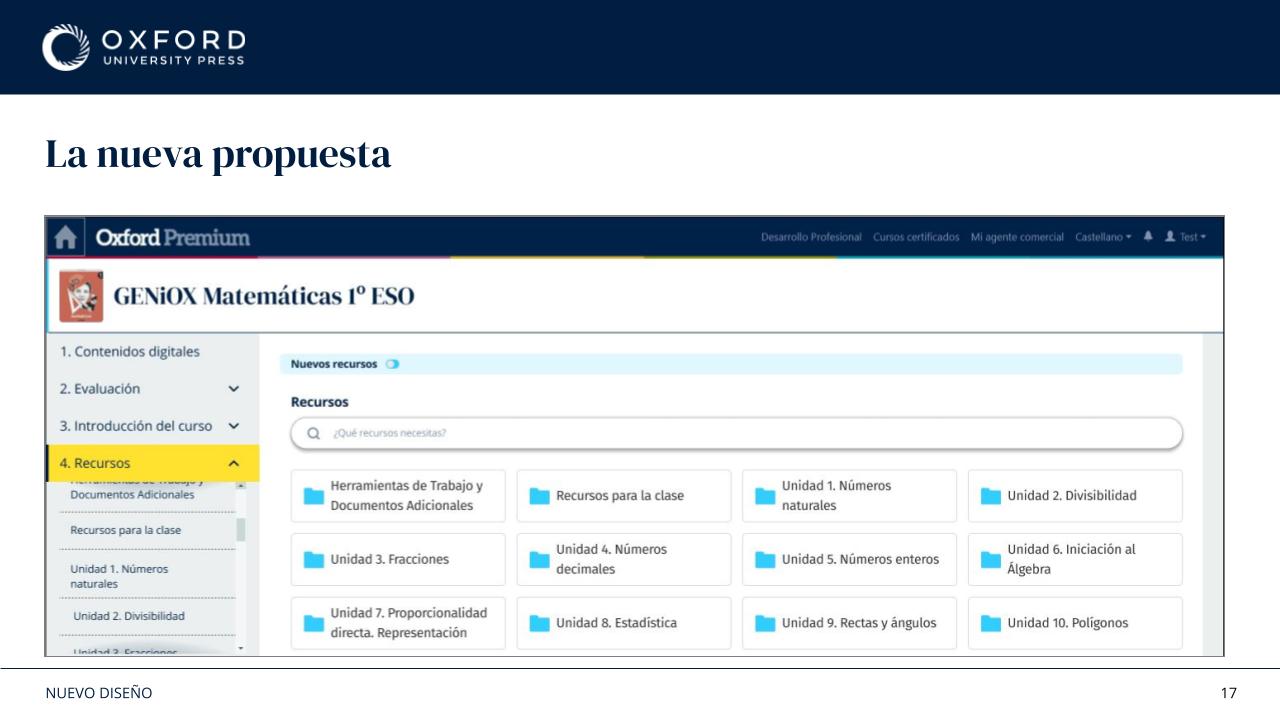
Oxford Premium had grown across product lines, with inconsistent names and navigation paths. Teachers valued the content but struggled to understand where resources lived.
As the sole UX/UI Designer, I connected behavioural research, teacher interviews and testing to redesign the information architecture, navigation and resource groupings.
The decisions
Sessions showed task-focused visits with limited exploration. Interviews helped explain the problem: teachers could not always tell where resources belonged.
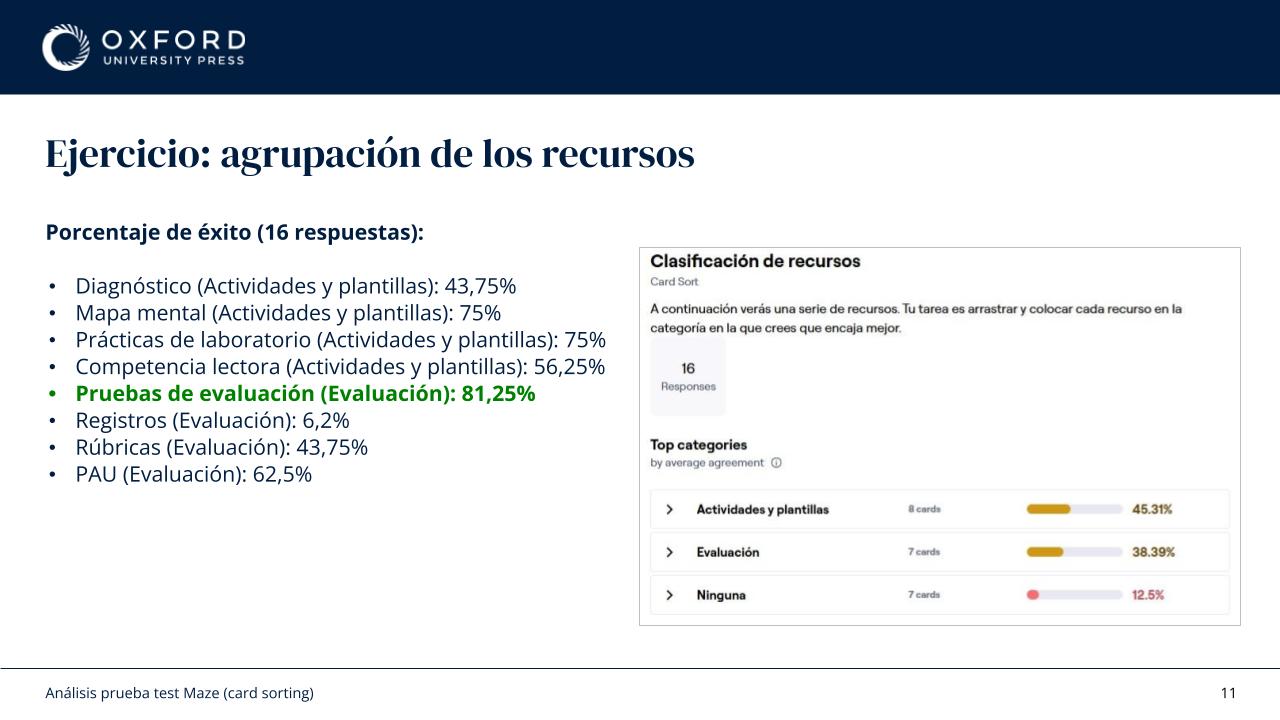
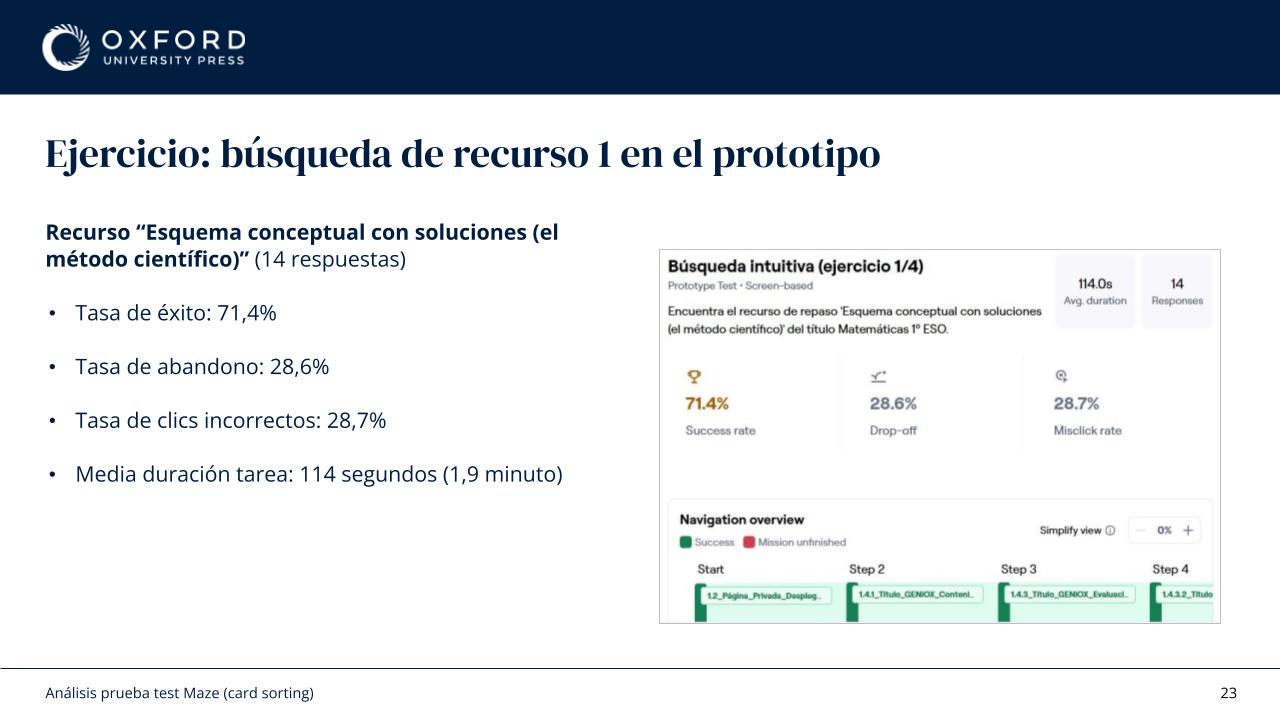
I used card sorting and prototype tasks to check resource groupings and labels, refining the structure around how teachers expected to find content.
I compared UK and Spanish product structures, mapped equivalent resources and documented naming conventions to support a more coherent organisation.
Evidence
Card sorting and prototype tests informed the navigation. These examples connect the research with the product flows available in Oxford Premium's demo.
Outcome
The videos use Oxford Premium's demo account, which shows a limited selection of titles and resource categories. The process examples have been adapted for sharing. Further research and context are available in the Deep Dive.